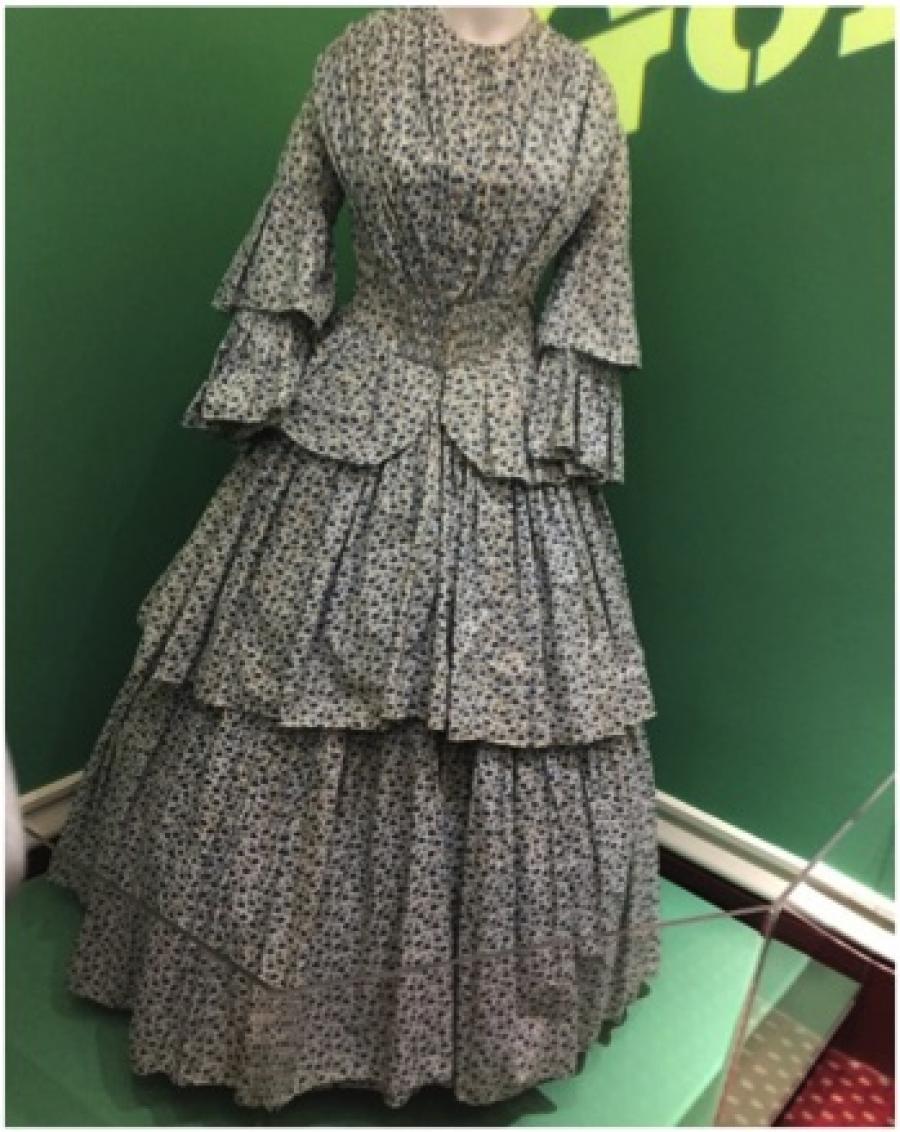

International Womens Day, Tuesday 8 March

How are you going in your research of the women in your family tree?
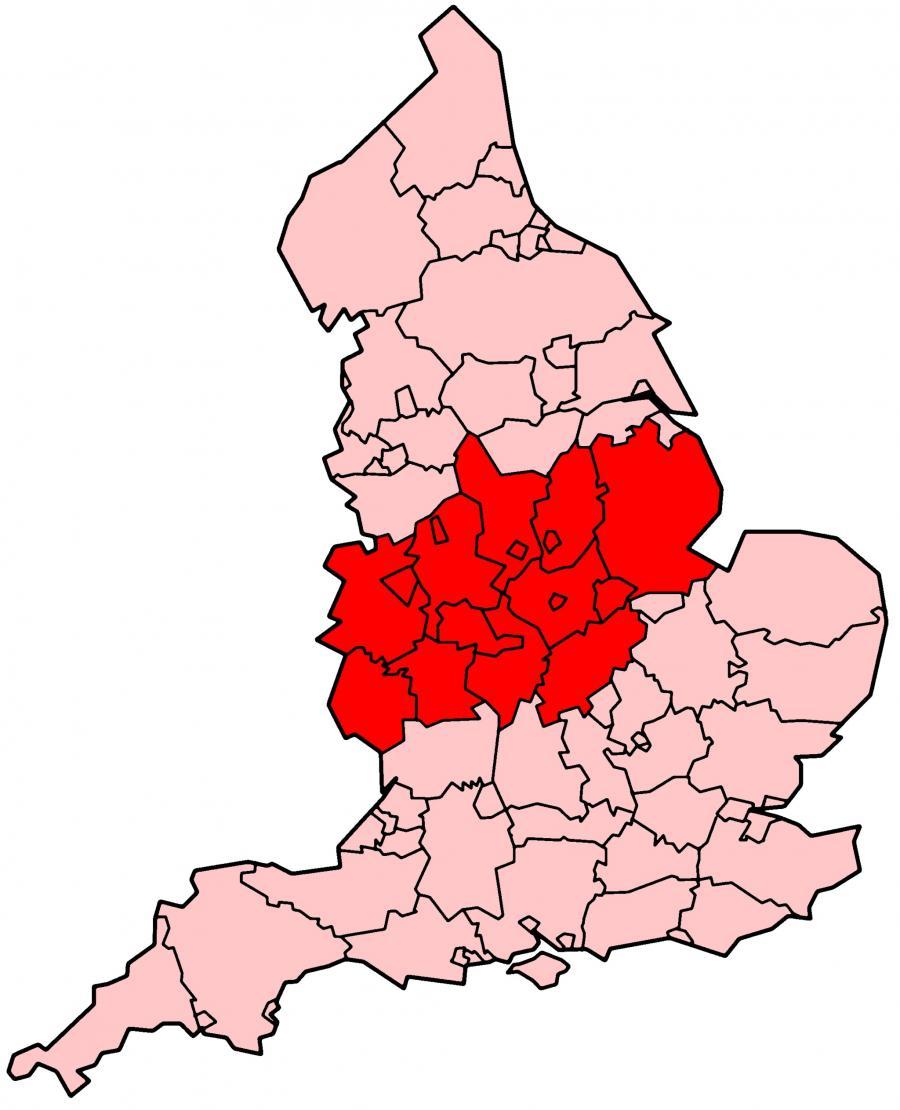
Some of the discussion circles this month are talking about this, eg CONE (Counties of Northern England) on 8 March.
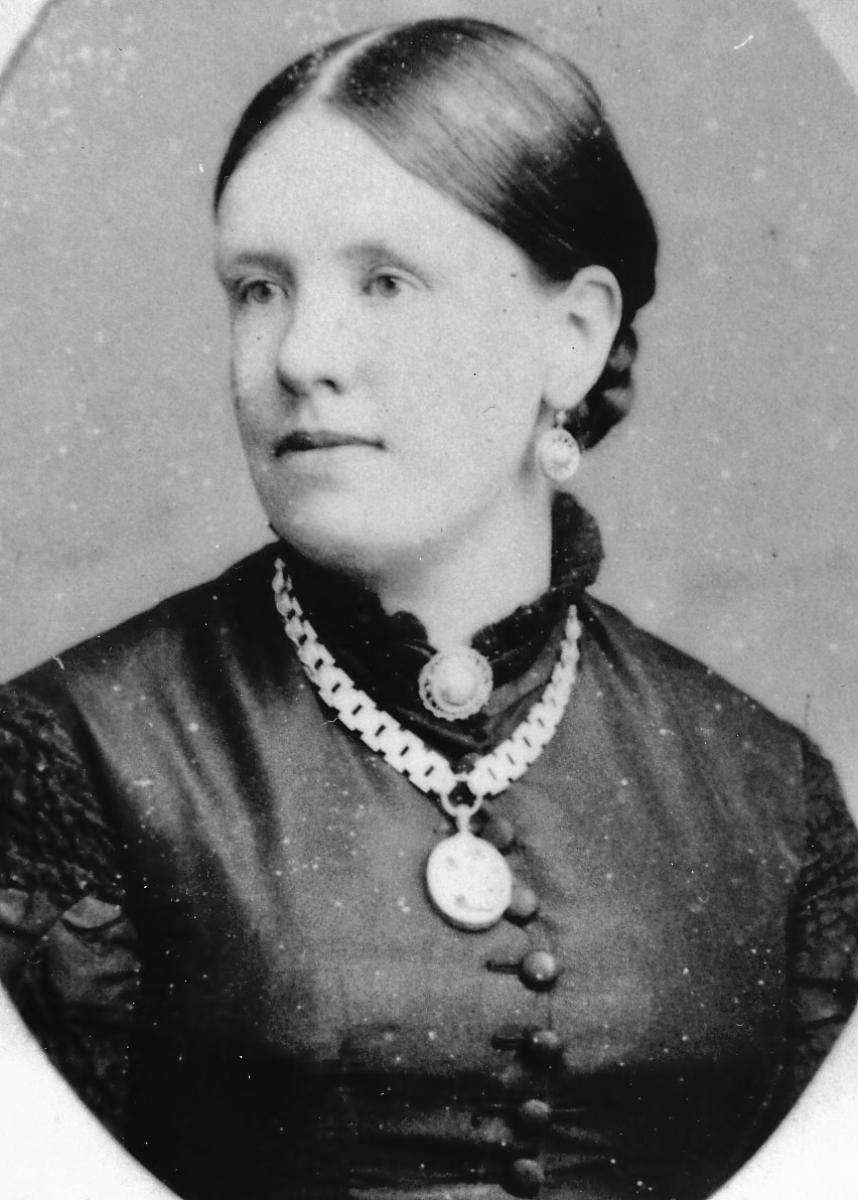
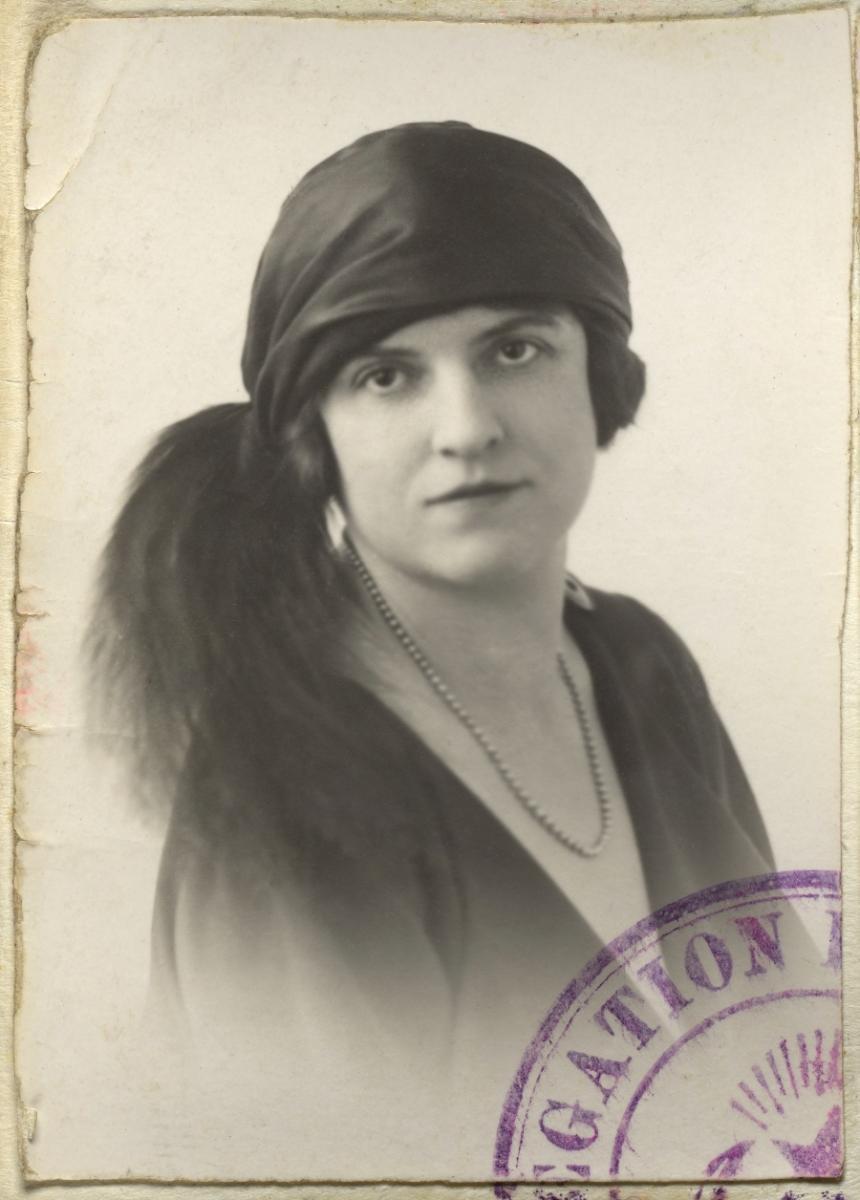
This is a photo of my great great grandmother Emma Pearson nee Rowden, born 1853. Her father had left for Australia in 1855 so she would barely have known him. Her mother died in 1857. There is a gap in my research from then until she emigrated to Australia in 1864 aged eleven.
She came to Australia with a widow, Elizabeth Bowden nee Downing. Elizabeth became Emma’s stepmother and they lived in Melbourne city.
Emma married in 1874 in Geelong to Frederick Augustus Pearson. My great grandmother, Florence May (May) was born nine months later.
As we often find, it’s always easier to research the men in our families. Sometimes we only learn where our women ancestors lived and what they did because of our research of these men. Emma and Frederick lived in Geelong. Frederick was a professor of music, a composer, a band master and a piano teacher. His body was found face down in deep water near Limeburners jetty, Geelong in 1884 aged just 36 years.
Emma was now a widow with five small children. One of her sons had died in 1882 at six months old. Emma may also have been an accomplished musician, as I found her working as a piano teacher in Geelong in 1888.
She died in 1889 of acute gastritis. Her daughter, May, was fourteen years old and the youngest son was only five. Emma’s father and his third wife took the children in and raised them.
My research of Emma is much more difficult than my research of her husband or father. But by trawling through BDM certificates, PROV inquests, PO directories, and Trove family notices, business advertisements and court inquest reports, I have been gradually joining the dots.
Jackie van Bergen

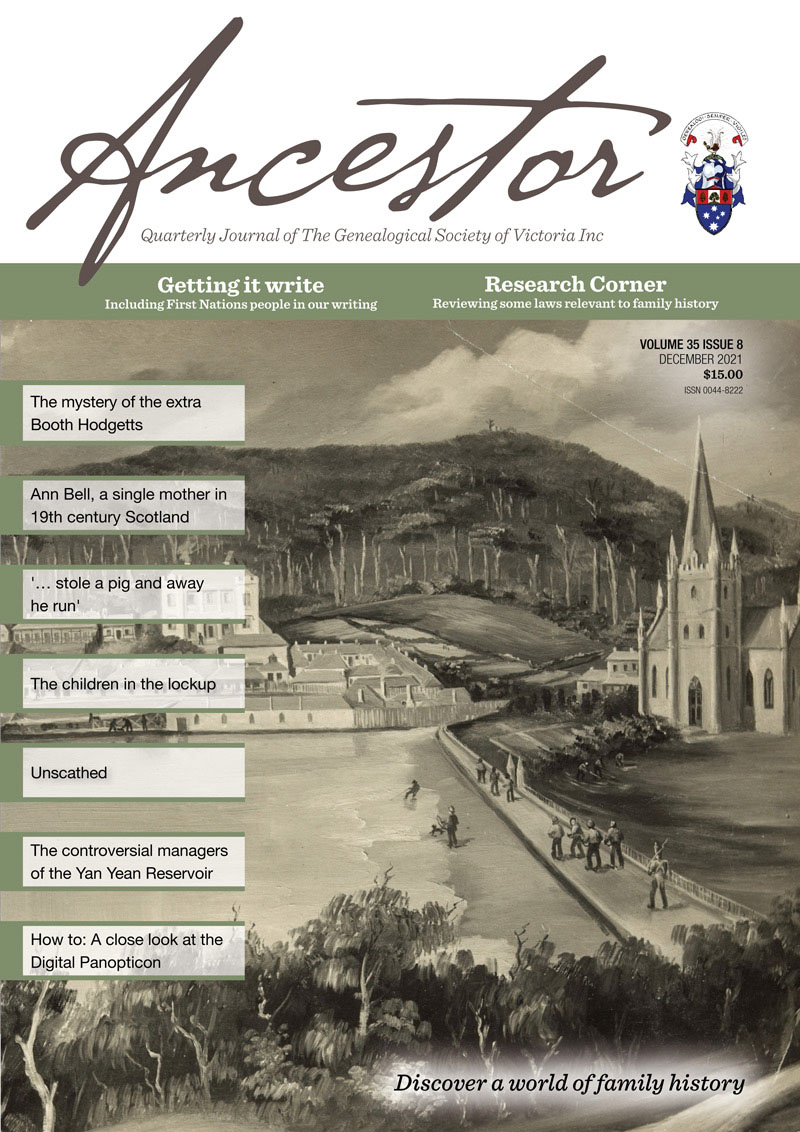 Our current edition features the winning article from the GSV Writing Prize, which is ‘The mystery of the extra Booth Hodgetts’ by Susan Wight. Other articles include an account of a medical orderly in the 3rd Light Horse Field Ambulance in the First World War; the story of an unmarried mother in 19th Century Scotland, and Paul Magill's intriguing story of the bureaucratic goings-on of two men, John Lanktree and Matthew Jackson, who migrated to Australia and were appointed to senior positions overseeing the building of the Yan Yean Reservoir. Jennifer MacKay relates the story behind the ‘The children in the lockup’ sculpture commissioned by Moonambel Arts and History Group to commemorate an event from 1896, and how, with the help of the GSV, she was able to trace a descendant of one of the children.
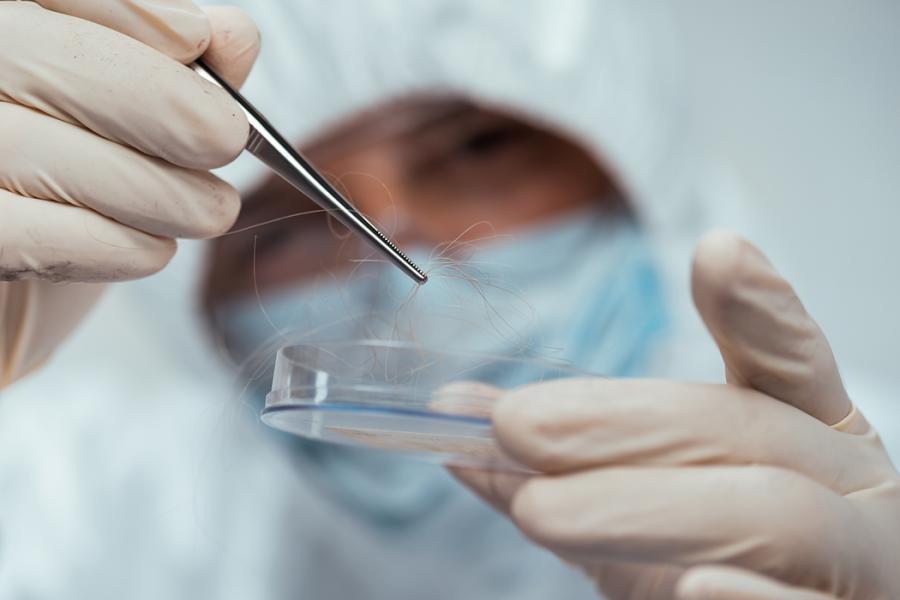
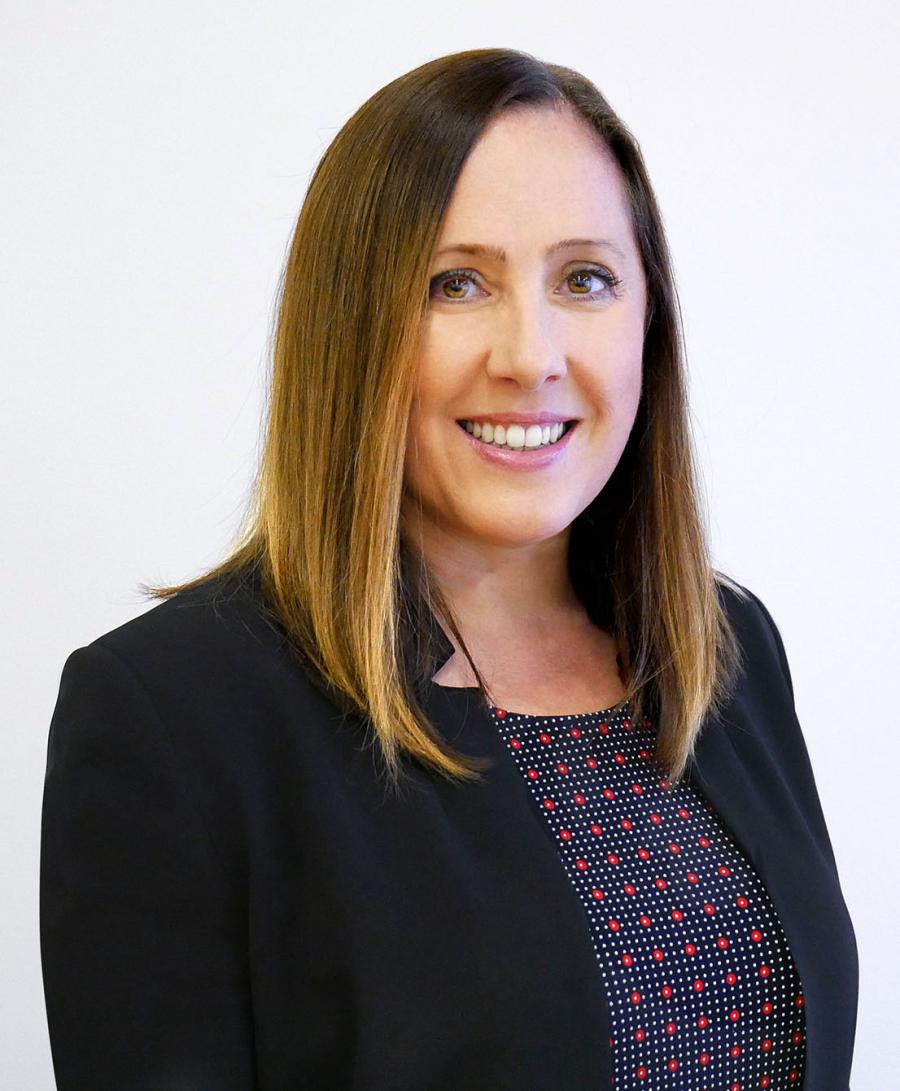 Professor Linzi Wilson-Wilde OAM has over 25 years’ experience in forensic science working for Victoria Police, New South Wales Police, the Australian Federal Police, and the National Institute of Forensic Science, where she was Director. During her career, Linzi has worked on the investigation of high-profile murder cases, cold case reviews, a mass DNA screen, along with legislative reform, and policy development. Linzi coordinated the DNA analysis of all samples involved in the disaster victim identification and criminal investigation of the Bali Bombing in October 2002. Most notably, Linzi has received a Medal in the Order of Australia for her work and was inducted into the Victorian Honour Roll of Women in 2014.